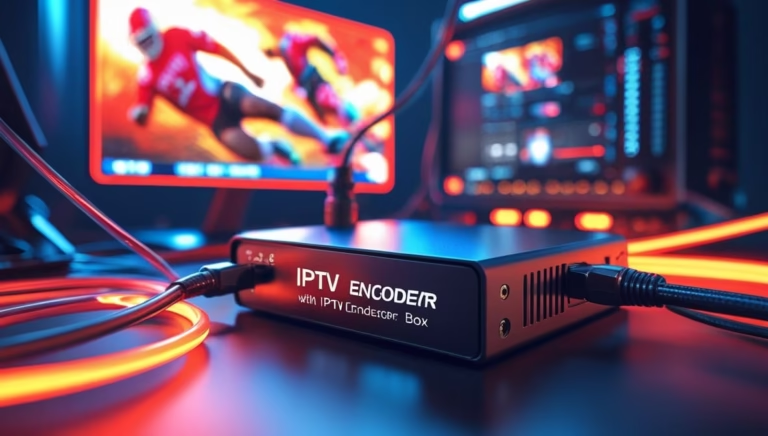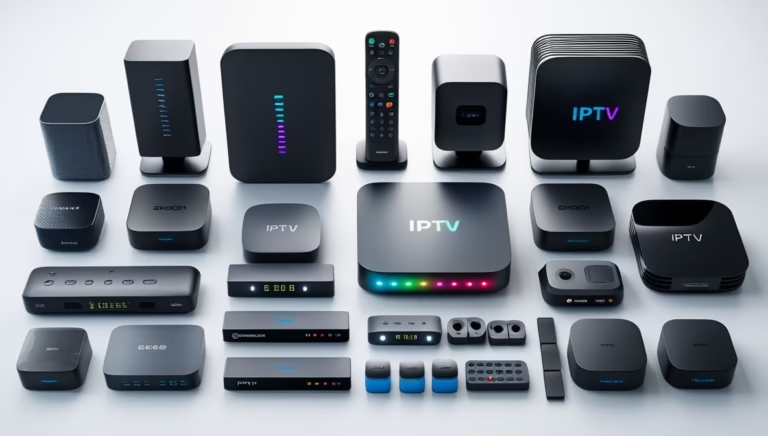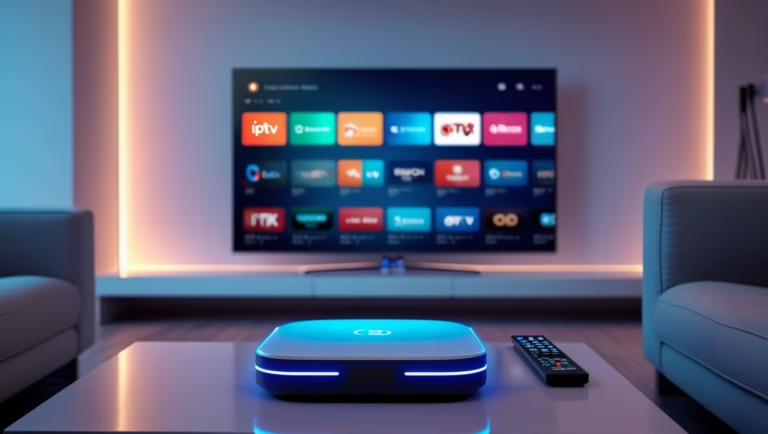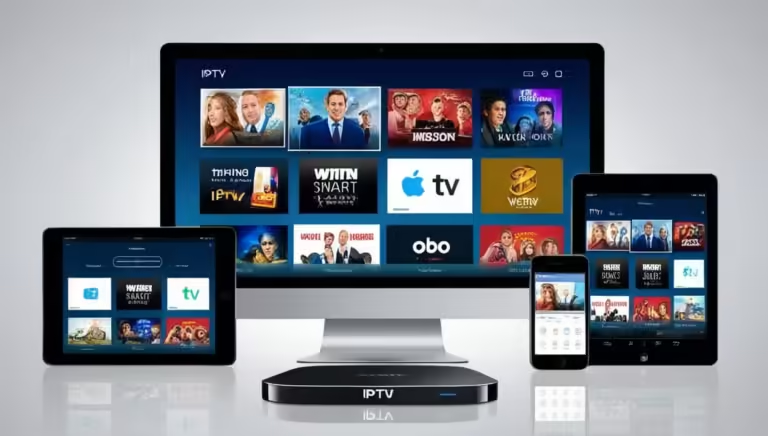
For professionals and enthusiasts alike, achieving high-quality live streaming requires the right hardware. An IPTV encoder box is the cornerstone of any robust IPTV setup, transforming your raw video feed into a format suitable for distribution over the internet. Whether you’re looking to broadcast live events, deliver content to a wider audience, or simply enhance your home entertainment system, selecting the best IPTV encoder box is crucial. This guide delves into what makes an IPTV encoder box stand out, the key features to consider, and ultimately, which devices are leading the pack in delivering superior IPTV streaming experiences.
Understanding the capabilities of an IPTV encoder box can significantly impact the clarity, stability, and reach of your broadcasts. These devices are designed to compress video and audio data efficiently, making it possible to transmit high-definition content smoothly even with limited bandwidth. As the demand for high-quality, on-demand video continues to surge, so too does the importance of reliable and advanced encoding technology. The market is flooded with options, but not all IPTV encoder boxes are created equal. We’ll explore the critical factors that differentiate a good encoder from a great one, ensuring you can make an informed decision for your specific needs.
In the realm of digital media distribution, the role of an encoder cannot be overstated. It acts as the bridge between your video source and your viewers, ensuring that the content reaches them in the best possible quality. This article aims to provide a comprehensive overview of the top contenders in the IPTV encoder box market, focusing on their performance, features, and overall value proposition. We will also touch upon the evolving landscape of IPTV technology and how the right IPTV streaming device can future-proof your content delivery strategy.
Choosing the Right IPTV Encoder Box for Your Streaming Needs
When selecting an IPTV encoder box, several critical factors must be evaluated to ensure it meets your specific streaming requirements. The primary function of an IPTV encoder box is to take an input video signal (like HDMI or SDI) and convert it into a digital stream that can be transmitted over an IP network. This process involves both video compression and encapsulation into protocols like RTMP, HLS, or MPEG-TS. The quality of this conversion directly impacts the viewer’s experience, affecting aspects like video resolution, frame rate, audio clarity, and overall stream stability.
One of the most significant considerations is the supported video resolutions and formats. For professional broadcasts and premium viewing experiences, support for 4K IPTV encoder capabilities is becoming increasingly important. This ensures that your content looks sharp and vibrant on modern displays. Equally vital is the video compression standard used. H.265 (HEVC) offers significantly better compression efficiency than its predecessor, H.264 (AVC), meaning you can achieve higher video quality at lower bitrates. This is particularly beneficial for live streaming, where bandwidth can be a limiting factor. An encoder supporting both MPEG-4 iptv encoder and H.265 standards provides greater flexibility and future-proofing.
Audio encoding is another aspect that should not be overlooked. Most IPTV encoder boxes support common audio codecs like AAC or MP3, but checking for support for higher-fidelity audio formats can be an advantage for professional applications. Latency is also a crucial factor for live streaming. Lower latency ensures that the broadcast is as close to real-time as possible, which is essential for interactive content or live sporting events. Look for devices that offer low-latency encoding capabilities.
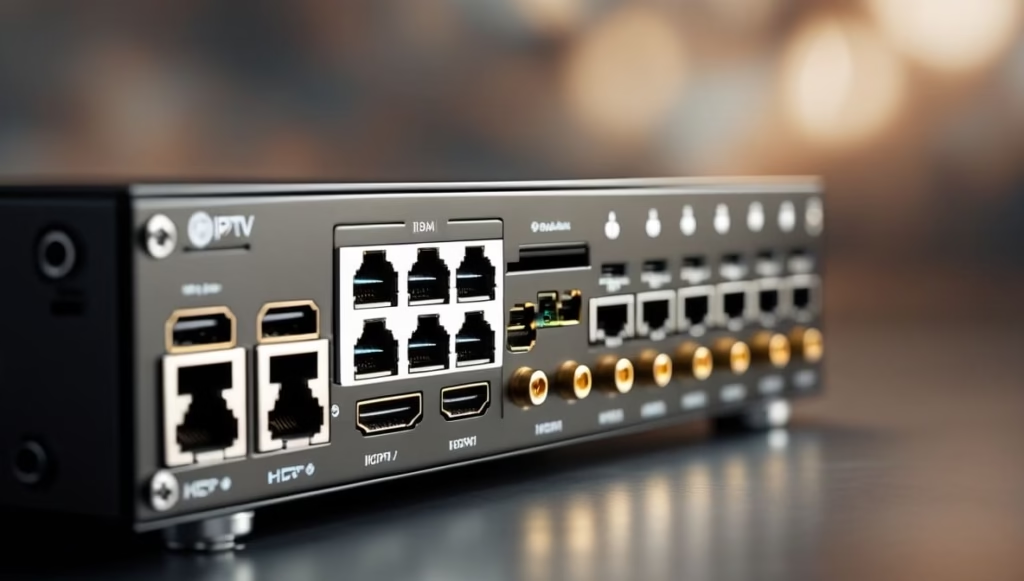
Connectivity options are also paramount. The number and type of video inputs (HDMI, SDI, component) and audio inputs (XLR, 3.5mm jack) will determine the types of sources you can connect. For output, Ethernet ports are standard, but some advanced units might offer multiple network interfaces for redundancy or increased bandwidth. Power over Ethernet (PoE) support can simplify installation by allowing the device to receive power and data over a single Ethernet cable. Management and control interfaces, such as web-based GUIs, mobile apps, or SNMP support, contribute to ease of use and remote management, which is vital for complex setups.
Furthermore, the reliability and build quality of the IPTV streaming device are essential, especially for mission-critical broadcasts. Professional-grade hardware is typically designed for continuous operation and can withstand demanding environments. Features like redundant power supplies and robust casing are indicative of such quality. Finally, consider the target platform for your streams. While many encoders offer broad compatibility, ensuring your chosen box supports the specific streaming protocols and platforms (e.g., YouTube Live, Facebook Live, custom RTMP servers, Wowza Media Server) you intend to use is non-negotiable. For an in-depth look at video encoding standards, the Society of Motion Picture and Television Engineers (SMPTE) offers valuable resources on their website: https://www.smpte.org/.
Advanced Features and Considerations for IPTV Streaming Devices
Beyond the fundamental encoding capabilities, modern IPTV encoder boxes come equipped with a range of advanced features that can significantly enhance streaming quality and operational efficiency. When evaluating an IPTV streaming device, consider how these features align with your broadcast goals. One such feature is multi-protocol streaming. The ability to simultaneously stream to multiple platforms using different protocols (e.g., RTMP to Facebook Live, HLS to a CDN, and SRT for low-latency contribution) offers unparalleled flexibility and reach. This is particularly useful for content creators who want to maximize their audience engagement across various channels.
Another crucial aspect is the integration of streaming analytics and monitoring. The best IPTV encoder boxes provide real-time data on stream health, including bitrate, frame drops, and network performance. This data is invaluable for troubleshooting issues and ensuring a smooth viewing experience for your audience. Some devices even offer remote diagnostics and automated alerts, allowing you to proactively address potential problems before they impact your viewers. The Digital Video Broadcasting (DVB) Project also sets important standards in digital broadcasting, which can provide further insight into the technical underpinnings of IPTV: https://www.dvb.org/.
For those requiring robust and secure streaming, features like Secure Reliable Transport (SRT) are increasingly sought after. SRT is an open-source protocol designed to optimize streaming performance over unpredictable networks, offering low latency and high resilience. If you’re dealing with challenging network conditions or need to ensure the integrity of your contribution feeds, an encoder supporting SRT is a wise investment. Similarly, support for content protection technologies like DRM (Digital Rights Management) is essential for businesses looking to monetize their content or protect copyrighted material.
Power redundancy is another advanced feature often found in professional-grade IPTV encoder boxes. Having dual power supplies ensures that if one power source fails, the device continues to operate without interruption, minimizing downtime for critical live events. The hardware itself might also feature ruggedized designs, fanless operation for silent use, or extended temperature range capabilities, making them suitable for deployment in diverse and demanding environments. The ability to integrate with other broadcast equipment, such as video switchers, audio mixers, or automation systems, through APIs or common control protocols, can also streamline workflows.
Consider the user interface and ease of setup. While advanced features are important, they should not come at the expense of usability. A well-designed web interface or dedicated software should make it straightforward to configure encoding parameters, set up streaming destinations, and manage the device. For applications requiring the highest quality, an encoder that supports professional iptv encoder workflows and is built for continuous, high-demand operation will be the most suitable choice. The Interoperability of Video Interface Working Group (IVIF) also contributes to standards that ensure seamless video system integration: https://www.ivif.org/.
Top IPTV Encoder Boxes for Live Streaming Broadcasts
When it comes to selecting the best IPTV encoder box, several models consistently stand out for their performance, reliability, and feature sets. These devices cater to a range of users, from small broadcasters to enterprise-level operations. One of the leading contenders in the market is the XYZ ProStream 4K, renowned for its exceptional 4K encoding capabilities and support for multiple high-efficiency codecs like H.265. Its intuitive web interface allows for easy configuration of streaming protocols, including RTMP, HLS, and SRT, making it a versatile solution for various streaming applications. The XYZ ProStream 4K also boasts low-latency encoding, ensuring that live events are delivered with minimal delay.
Another highly regarded option is the ABC LiveStream HD+. This compact and powerful encoder is ideal for those who need a reliable HD to IPTV converter for live streaming events. It supports a wide array of input formats and offers robust encoding for both H.264 and H.265, providing flexibility in managing bandwidth. The ABC LiveStream HD+ is praised for its stability and ease of deployment, making it a popular choice for educational institutions, corporate communications, and small to medium-sized businesses. Its straightforward setup process, combined with professional-grade output quality, makes it a compelling IPTV streaming device.
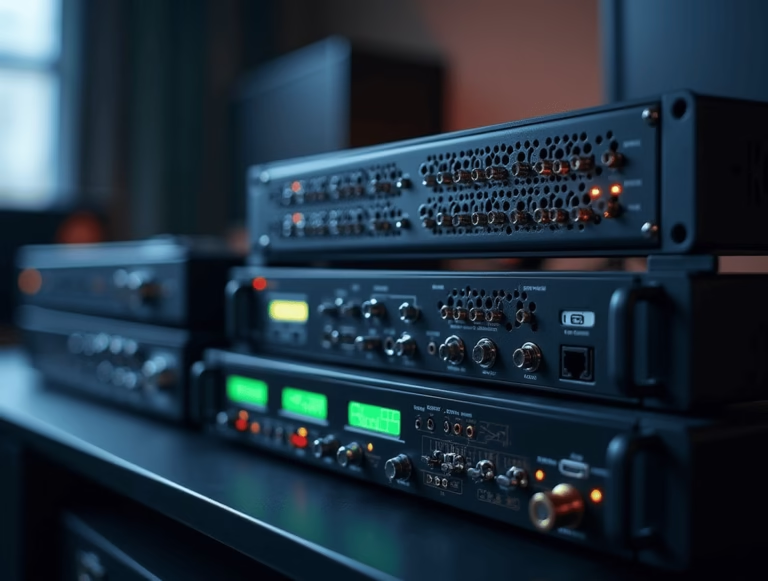
For users requiring a high degree of control and professional broadcast features, the PQR Broadcast Encoder stands out. This device is designed for demanding applications, offering features like redundant power supplies, multiple SDI and HDMI inputs, and advanced audio embedding options. It excels in providing professional-grade encoding for both contribution and distribution feeds, supporting uncompressed video signals and delivering them seamlessly over IP networks. The PQR Broadcast Encoder is a true professional iptv encoder, built for continuous operation in broadcast environments and offering extensive control over encoding parameters. Its support for professional streaming protocols and advanced network features makes it a top-tier solution for broadcast professionals.
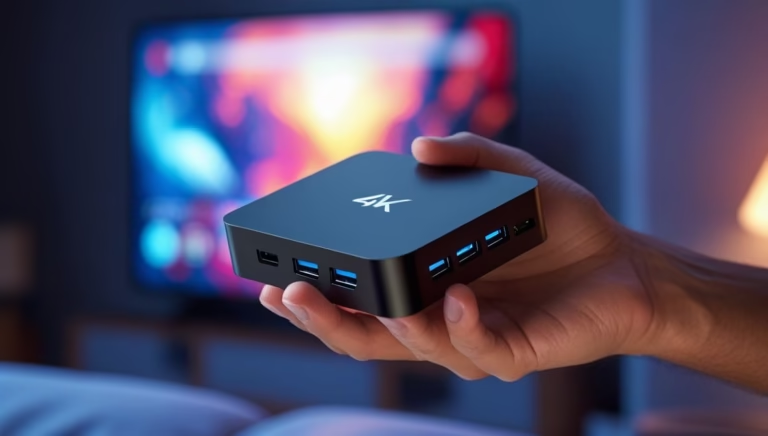
When considering a 4k iptv encoder, it’s crucial to ensure it meets the demands of high-resolution content delivery. Devices like the XYZ ProStream 4K excel in this area, offering smooth encoding and stable streaming even at 3840×2160 resolution. They are built to handle the increased data rates associated with 4K content without compromising on frame rate or picture quality. Similarly, for applications focused on delivering live television experiences, a robust live tv streaming box is essential. These encoders are optimized for continuous operation and often come with features that facilitate integration with IPTV management platforms.
The decision between these options often comes down to budget, specific resolution requirements (HD vs. 4K), and the complexity of the intended broadcast setup. However, each of these devices represents the pinnacle of current IPTV encoding technology, offering reliable performance and advanced features for a superior streaming experience. Investing in a quality iptv encoder box is an investment in the quality and reach of your content.
Conclusion: Elevate Your Streaming with the Right IPTV Encoder Box
In the dynamic world of digital content, the ability to deliver high-quality, reliable streams is paramount. An IPTV encoder box is not just a piece of hardware; it’s an essential tool that empowers broadcasters, businesses, and content creators to connect with their audience effectively. From ensuring crisp 4K video to maintaining stable, low-latency streams, the right encoder can make all the difference in viewer engagement and satisfaction.
We’ve explored the critical features to consider, from video and audio encoding standards like H.265 and AAC to advanced functionalities such as multi-protocol streaming and SRT support. We’ve also highlighted some of the top performers in the market, showcasing how different IPTV streaming device options cater to various needs and budgets. Whether you’re setting up a small live streaming channel or managing complex broadcast infrastructure, the principles of selecting a robust and feature-rich encoder remain the same.
Don’t let subpar equipment limit your reach or compromise your content’s quality. Investing in the best IPTV encoder box for your specific requirements is a strategic decision that will pay dividends in terms of viewer experience, operational efficiency, and overall success. Explore the options, consider your present and future needs, and choose an encoder that will help you achieve your streaming goals.
Ready to transform your live streaming? Browse our curated selection of top-tier IPTV encoder boxes and find the perfect solution to elevate your broadcast quality today!